
Leaders of Transformation
Transformation is driven by leadership: by how executives interpret, decide, and act in environments of increasing complexity. Executive coaching acts as a catalyst for this process by working at the less visible levels where sustainable change occurs. All this in demanding business contexts, marked by pressure, ambiguity, and the need to make critical decisions.
In this scenario, artificial intelligence redefines the context but also raises the bar of demand, making a more conscious, solid, and deeply human leadership essential.
Throughout the day, we will address transformation from three key angles:
- Leadership in high-demand contexts
- Real business application
- The impact of technology and artificial intelligence on executive coaching practice
But beyond trends, this meeting focuses on a critical question: what remains, what evolves, and what demands to be rethought in leadership development. A space designed not only to share ideas but to generate criteria and connect with key players in the sector.
The Meeting Point
I International Executive Coaching Conference brings together those working on the front line of real change within organizations.
Speakers
Featuring leading professionals in the sector

John Leary-Joyce
United Kingdom

Juan Carlos Cubeiro
Spain
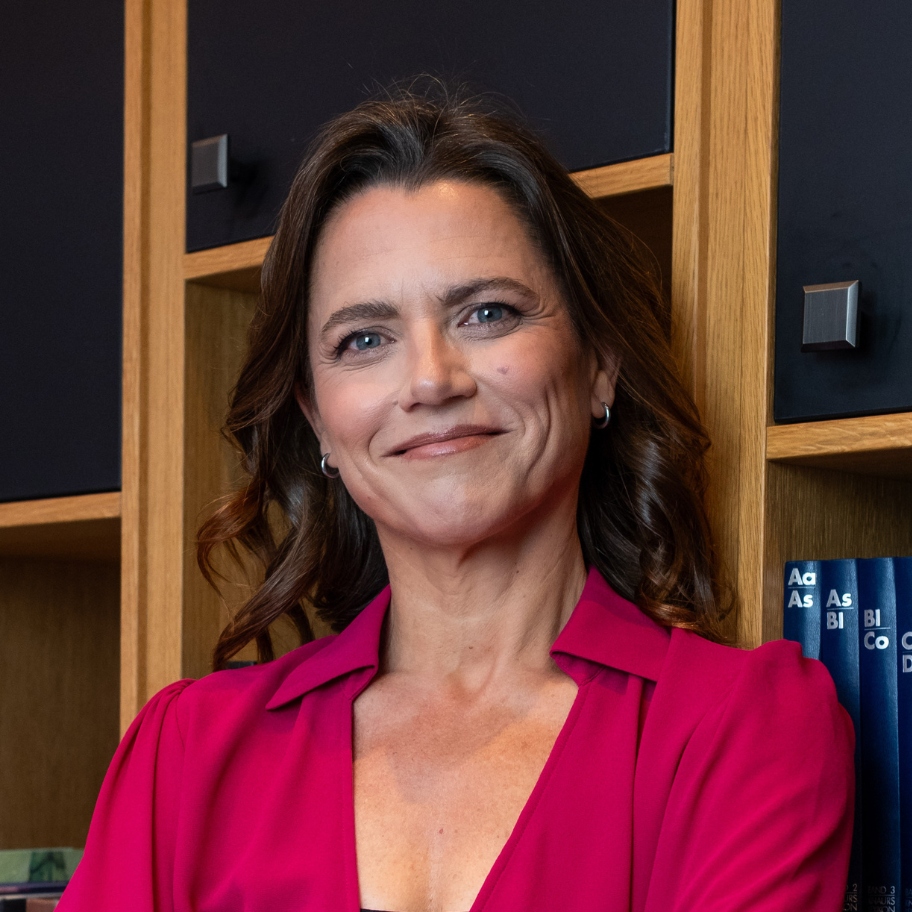
Virginia Molet
Organizer

Andy Prior
France
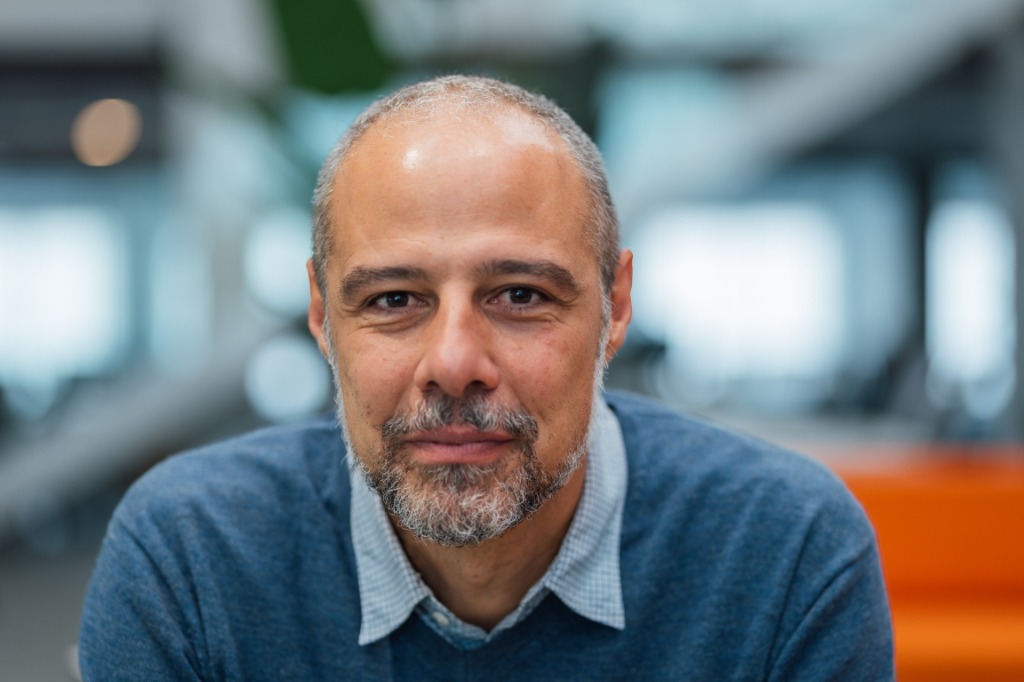
Borja Manero
Spain

Cris Bolívar
Spain

Pilar Llácer Centeno
Spain
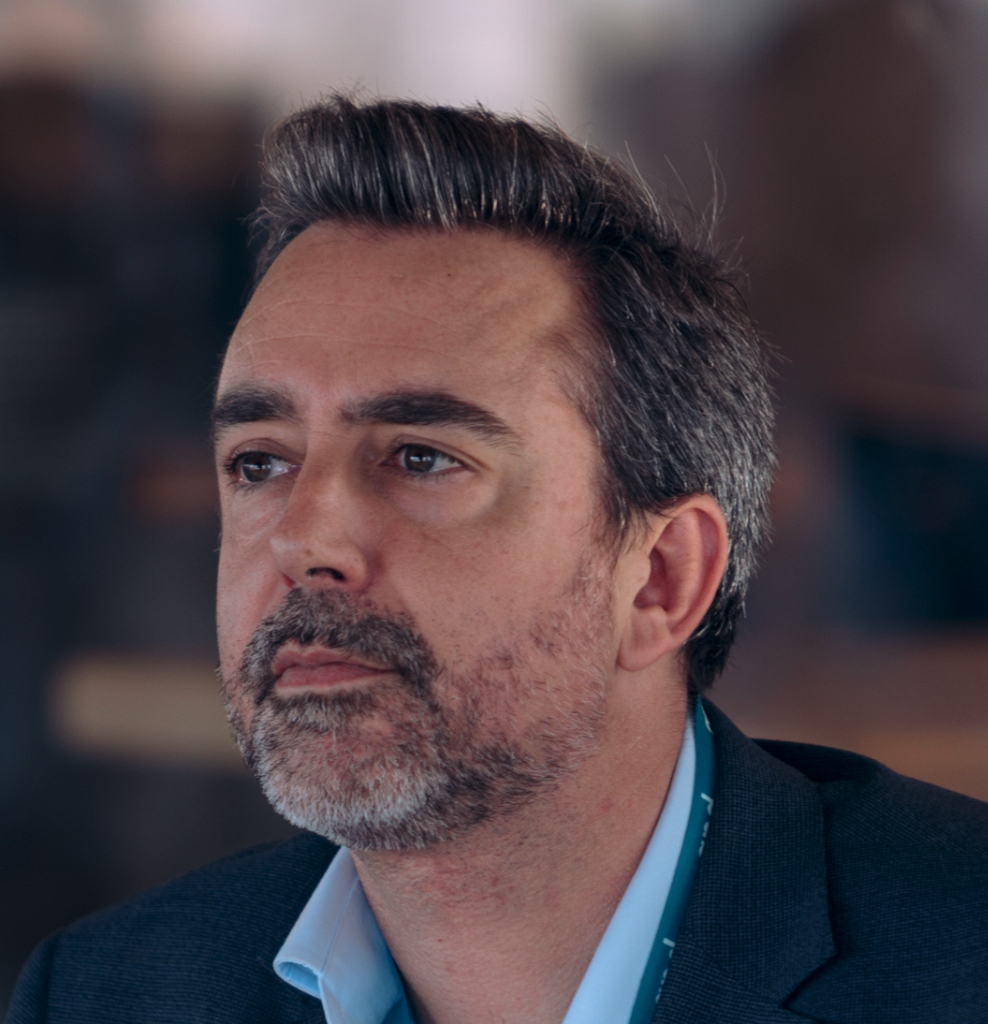
Alejandro Santos Sáez
Spain
Agenda
| Schedule | Topic | Presenter |
|---|---|---|
| 09:30 - 10:00 | Opening | Virginia Molet, Director of the Academy of Executive Coaching (AoEC) in Spain |
| 10:00 - 11:00 |
Can leadership be developed without coaching?
View presentation detailsJuan Carlos will address a key question for current executive development: whether it is possible to develop leadership without coaching. His intervention will start from a central idea: leadership has changed profoundly and, in a context of accelerated transformation, its importance is greater than ever. The session will explore what it means today to exercise a new leadership: more antifragile, full of integrity, reputable, and capable of combining compassionate firmness with humble visibility. He will also review the debate on whether a leader is born or made, differentiating between temperament, character, personality, and executive intelligence. From there, he will connect coaching with the leadership development that modern organizations need and with the way we have changed as professionals, teams, and society. |
Juan Carlos Cubeiro, National Management Award and Director of Amrop |
| 11:00 - 11:45 |
Accelerated AI momentum for executives / Rapid AI traction for executives (English)
View presentation detailsAndrew will address the role of generative artificial intelligence in executive teams and the challenge of moving from experimentation to real deployment within organizations. The session will focus on how to decide where AI adds value, how to integrate it responsibly, and what conversations leaders need to have to support this transformation. He will also explore the role that executive coaching can play in this context: helping leadership teams think better, make more conscious decisions, and develop the necessary capabilities to guide their organizations in an increasingly complex technological environment. |
Andrew Prior, Learning Facilitator at MIT Professional Education and Professor of leadership at Eurecom |
| 11:45 - 12:30 | Coffee break | |
| 12:30 - 13:30 | Managers: the real owners (or killers) of change | Panel with senior leaders |
| 13:30 - 14:00 |
Competitiveness in times of disruption: leadership as a strategic advantage
View presentation detailsAlejandro will talk about business competitiveness in a context of constant disruption, where advantage no longer depends solely on technology, costs, or the market, but on the quality of leadership. His intervention will focus on the ability of leaders to anticipate, make better decisions, build trust, attract talent, and mobilize the organization. He will also address how artificial intelligence is accelerating change across all sectors, and why the most competitive companies will be those that know how to turn technology into real value through culture, talent, purpose, and strategic leadership. |
Alejandro Santos Sáez, Director of APD Central Zone. |
| 14:00 - 15:15 | Lunch break | |
| 15:15 - 15:45 |
The great misunderstanding of communication
View presentation detailsWhat do a CERN physicist and an actor from the National Dramatic Center have in common? They are the same person, and his story says a lot about how we understand communication. In this talk, Borja Manero dismantles a widespread idea: that communicating well consists, above all, of speaking well. He also explores why so many of us learned to keep quiet before we learned to open our mouths. An invitation to review fear, perfectionism, and the path towards a more personal and connected way of communicating. |
Borja Manero, co-founder of Elipsis and co-director of the Arts and Technologies in Leadership group at the Real Colegio Complutense at Harvard. |
| 15:45 - 16:15 |
Coaching for the Leader's Being: reconnecting with Meta-competencies
View presentation detailsCris will talk about how coaching can accompany leaders beyond the development of technical, cognitive, or emotional skills. Her intervention will focus on the meta-competencies of the being: authenticity, presence, genuine trust, wisdom, and the ability to lead from a more conscious place. The session will invite participants to review what a leader needs today to generate more cooperative, competent teams prepared to act in highly uncertain and complex environments. |
Cris Bolívar, President of EMCC Spain, Philosopher, Psychologist and Master Consultant |
| 16:15 - 16:45 | Coffee break | |
| 16:45 - 17:30 |
Human competencies in the face of artificial intelligence
View presentation detailsPilar will address the great challenges of the present in a time marked by the advance of artificial intelligence and the need to reinforce what remains profoundly human. Her intervention will focus on the competencies that will be most relevant in this new context: the ability to learn, to listen, to exercise judgment, and the connection with meaning. The session will invite reflection on why learning has become a strategic competency, and on the difference between truly listening and merely responding. From there, she will connect technology, humanity, and purpose to pose a fundamental question: what place do we want to occupy as people and as leaders in an increasingly automated world. |
Pilar Llácer, Senior Advisor at Newlink. PhD in Philosophy specialising in Ethics and Artificial Intelligence. Author |
| 17:30 - 18:30 |
Beyond AI: achieving results through the coaching relationship (English)
View presentation detailsJohn will explore what makes coaching with a human coach continue to be profoundly relevant at a time when artificial intelligence can replicate many rational conversations. His intervention will focus on the coaching relationship as a living, emotional, and experiential space. Through his approach, he will show how what happens in the present moment of the session allows working with real patterns, emotions, and dynamics that do not always appear in a purely analytical conversation. The session will focus on the transformative value of the relationship between coach and coachee. |
John Leary-Joyce, CEO of the Academy of Executive Coaching (AoEC) |
| 18:30 - 19:30 | Open event: how to become an accredited executive coach / Becoming an Accredited Executive Coach (English and Spanish) | Virginia Molet and John Leary-Joyce |
| 19:30 - 19:45 | Closing | Virginia Molet, Director of the Academy of Executive Coaching (AoEC) in Spain |